Brown patches show up. You water more. Nothing changes. A few weeks later, the damage has spread to a new section of the lawn, and you still do not know what is causing it.
That is one of the more frustrating parts of lawn pest problems: the early signs rarely look like pest damage. They look like drought stress, a watering issue, or just a rough patch of summer. By the time the real cause becomes obvious, the damage is already well underway.
In the Tri-Cities, that confusion is especially common. Hot summers, irrigation-dependent lawns, and seasonal stress can all produce symptoms that overlap with pest activity. Grubs, chinch bugs, sod webworms, and other pests can quietly work through a lawn while a homeowner keeps adjusting the sprinkler schedule, wondering why nothing is improving.
Catching a pest problem early is the difference between a targeted treatment and a full lawn recovery project. Here are five signs your Tri-Cities lawn may be dealing with something more than drought or seasonal wear.
In this post, you’ll learn:
- How to tell pest damage apart from drought stress or disease
- Which pests commonly affect Tri-Cities lawns
- Why some signs are easy to overlook until the damage is serious
- When it is time to stop troubleshooting and call a professional
Sign 1: Brown or Dead Patches That Do Not Respond to Watering

Brown patches have a long list of possible causes. Drought stress, uneven irrigation, lawn disease, and pest activity can all produce similar-looking discoloration. The challenge is figuring out which one you are actually dealing with.
The clearest indicator that pests may be involved is persistence. Lawn diseases and pest damage can both create brown, tan, or irregular patches that do not follow a simple watering pattern. If a brown area stays dry-looking even after consistent, proper watering, or if it keeps expanding while the surrounding lawn looks healthy, that is a sign worth investigating further.
Watering more will not fix a pest problem. In some cases, excess moisture can actually create conditions that attract more insect activity. If a patch is not responding the way drought stress normally would, a professional assessment is a more useful next step than another adjustment to the irrigation schedule.
Sign 2: Visible Insects or Larvae in the Grass
Seeing a few insects in the lawn is normal. Finding larvae, grub-like pests in the soil, or clusters of insects in the thatch layer is a different situation.
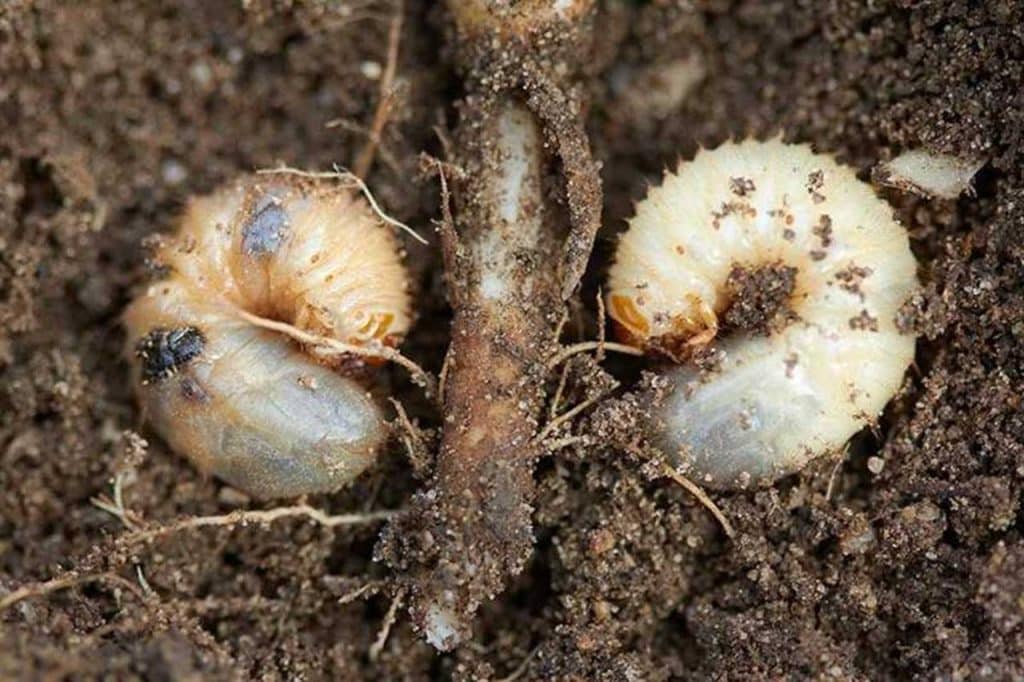
Chinch bugs damage grass by drawing out its moisture and injecting harmful substances into the plant. Grubs feed on grassroots beneath the surface. Sod webworm larvae feed on grass leaves and stems from the time they hatch through late summer. Each of these pests can be present in meaningful numbers before a homeowner notices visible damage above ground.
That is the part worth keeping in mind: a small visible population often points to a larger one below the surface or deeper in the thatch. Pest control treatments are not all the same, and identifying the right pest matters before any treatment begins. If you are seeing insects or larvae and are not sure what you are looking at, that is a reasonable time to have a professional take a look rather than reaching for a store-bought product and hoping for the best.
Sign 3: Increased Bird or Wildlife Activity on Your Lawn
Birds pecking at the lawn, skunks digging near the edges, or moles working through the turf are not random. They are usually following a food source.
Grubs living beneath the soil can attract predators like moles and skunks, which then create their own layer of surface damage on top of the root damage already happening underground. By the time a homeowner notices the digging, there may be two problems to address: the pest population below and the physical damage from the animals above.
This sign gets overlooked more than most because the wildlife feels like the main issue. A few birds on the lawn seems harmless. Skunk digging near the garden bed seems like a nuisance, not a lawn emergency. But the activity is worth paying attention to, especially if it is concentrated in one area or showing up consistently in the same spots. The animals are often pointing directly at where the real problem is.
Sign 4: Spongy or Weak Turf That Pulls Up Easily
A healthy lawn has resistance. The turf feels firm underfoot, and the grass is anchored by a strong root system. When root-feeding pests work through that foundation, the turf starts to lose that stability.
Grubs feed on grassroots beneath the surface, and a lawn with significant root damage can feel spongy, soft, or loose in ways that are noticeably different from normal seasonal softness. In more advanced cases, sections of turf may lift or shift with very little resistance because the roots holding them in place have been compromised.
This stage of damage calls for professional lawn pest control rather than a wait-and-see approach. A lawn heading into fall and winter with a weakened root system has less capacity to recover, store nutrients, or come back strong in spring. The longer root damage goes unaddressed, the more recovery work the lawn will need when the season turns.
Sign 5: Rapid Spread of Damage Across the Lawn
One brown patch is a question mark. Three brown patches appearing in different areas of the lawn within a few weeks is a pattern worth taking seriously.
Sod webworm larvae can feed on grass through the summer and into September, and an active infestation has the potential to move through a lawn quickly if it is not identified and treated at the right time. Fast-spreading damage is one of the clearest signs that a pest problem has moved beyond what a homeowner can reasonably manage with general-purpose products.
DIY pest control can fall short in several ways: wrong product for the pest, wrong timing for the life stage, or incomplete coverage that leaves part of the infestation untouched. When damage is spreading across multiple areas, the most useful step is a professional assessment that identifies what is actually causing the problem before any treatment goes down.
Why Professional Lawn Pest Control Makes the Difference
Store-bought pest control products are not designed for every pest, every lawn, or every stage of an infestation. Some pests are resistant to common over-the-counter treatments, and applying the wrong product at the wrong time can cost more in the long run than calling a professional from the start.
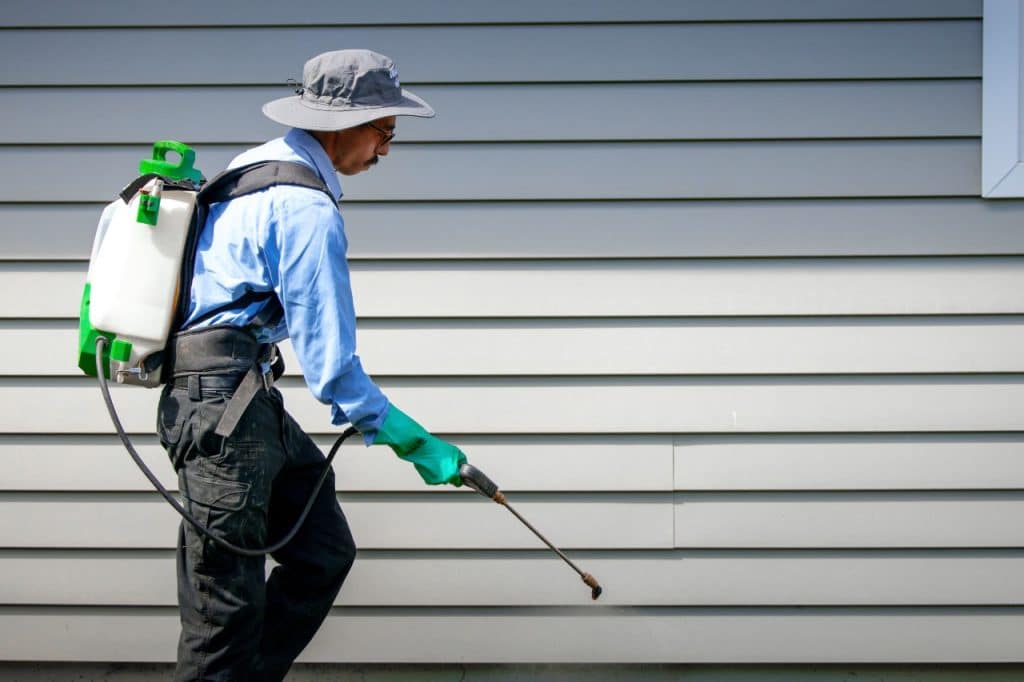
Professional pest control plans are tailored to the property: the size of the space, the specific pests present, the landscaping, and the homeowner’s schedule. That kind of targeted approach reduces the risk of under-treating, over-treating, or missing the areas where pests are actually active.
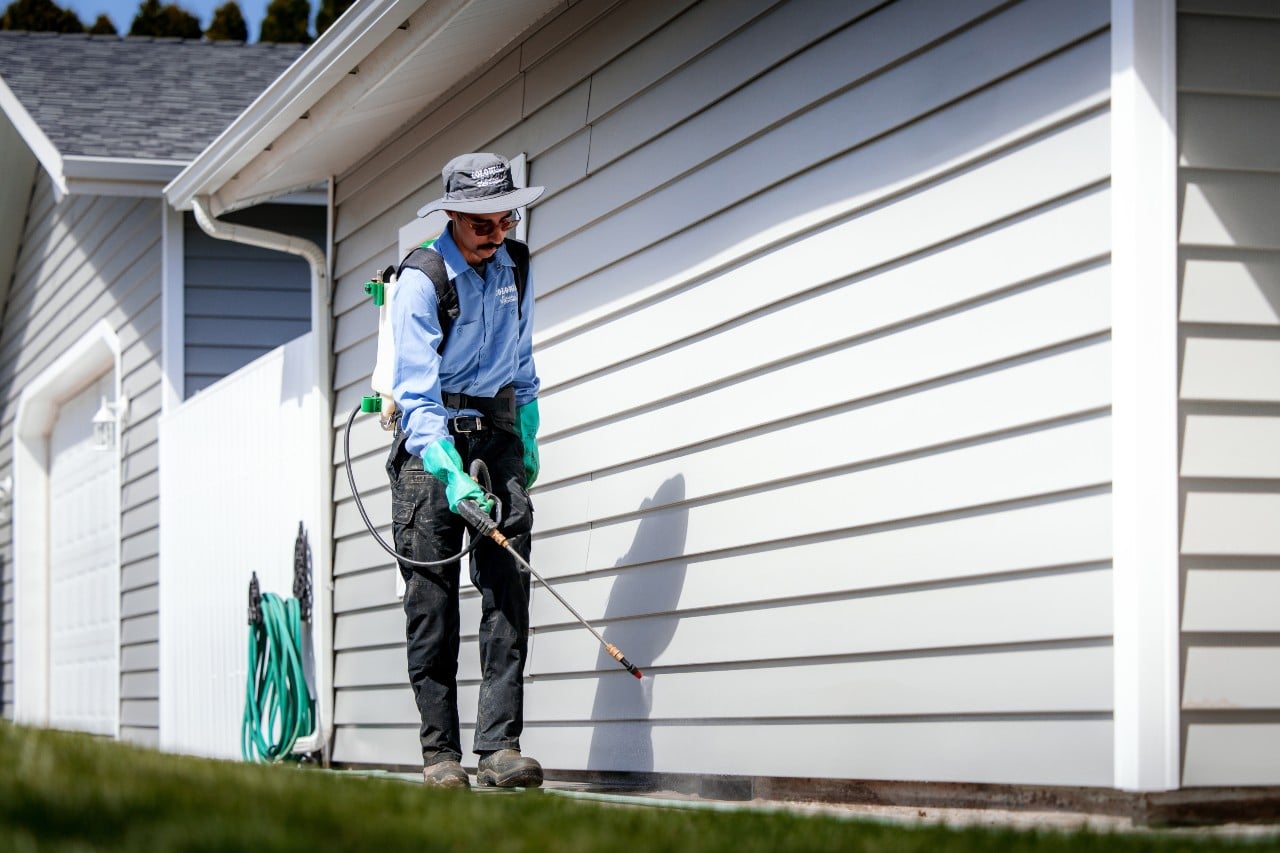
Colonial Lawn & Garden supports Tri-Cities homeowners through its lawn care program and perimeter pest control service. The lawn care program includes fertilization, weed control, grub prevention, and inspections from licensed technicians who can identify problems before they become larger ones. The perimeter pest control service creates an exterior barrier around the home, with treatments applied along the foundation, windows, doors, and entry points where insects are most likely to move in.
Colonial’s technicians are licensed, trained, and receive ongoing education so that treatments reflect current best practices for the pests and conditions specific to Eastern Washington. Pest control works best as part of a seasonal plan, not a one-time reaction, and that is exactly how Colonial approaches it.
Get Your Tri-Cities Lawn Back on Track
Brown patches that will not recover, visible insects, wildlife digging, weak turf, and fast-spreading damage are all signs worth acting on. The earlier a pest problem is identified, the easier it is to treat and the less damage the lawn has to recover from.
Noticing any of these signs in your Tri-Cities lawn? Contact Colonial Lawn & Garden today to schedule a professional pest control treatment and get your lawn back on track before the damage spreads. Visit our website or give us a call at 509.371.1655 to get started.